James D. Barger is an attorney/technologist at
Aylstock, Witkin, Kreis & Overholtz, PLLC,
based in Pensacola, Florida. He lives in Pensacola and is licensed to practice law in
Pennsylvania and New Jersey.
Currently, his practice focuses on BP oil spill litigation and e-discovery
in mass torts litigation.
Before becoming a lawyer, James was a web development professional, with
experience as
a Project Manager for technology start-ups,
e-commerce programmer and database designer for a major logistics corporation,
and
teaching professional courses as a Microsoft-certified technology trainer.
Before that, he was
a newspaper editor and reporter. He earned his undergraduate degree in journalism at the
University of Florida in Gainesville, Florida.
Contact Information:
James D. Barger Aylstock, Witkin, Kreis & Overholtz, PLLC
17 East Main Street, Suite 200
Pensacola, FL 32502
If you are interested in exploring how the law is applied to new technology environments,
like virtual worlds, you can read James Barger's article on
"Extending Free Speech Rights Into Virtual Worlds,"
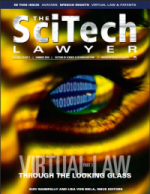
as published in the Summer 2010 issue of SciTech Lawyer magazine.
Speech issues pervade virtual worlds. The most talked-about
virtual world, Linden Laboratories’ Second Life, is all about
expression. There is no game, no objective or goal, no score, and
there are few rules. For most participants, the ability to express oneself
is the main draw of Second Life. Users express themselves by chatting
about music at live concerts, creating freakish monster-alien avatars, sharing
intimate moments with virtual strangers, and by making and selling everything
from shoes to skyscrapers. They do this in a 3-D world created largely by the users,
where avatars walk, fly, and teleport from island to city to mountaintop. In this new
world, long-established property law and state constitutions may provide the best
protection for a user’s right to express himself in sometimes controversial ways.